Introduction
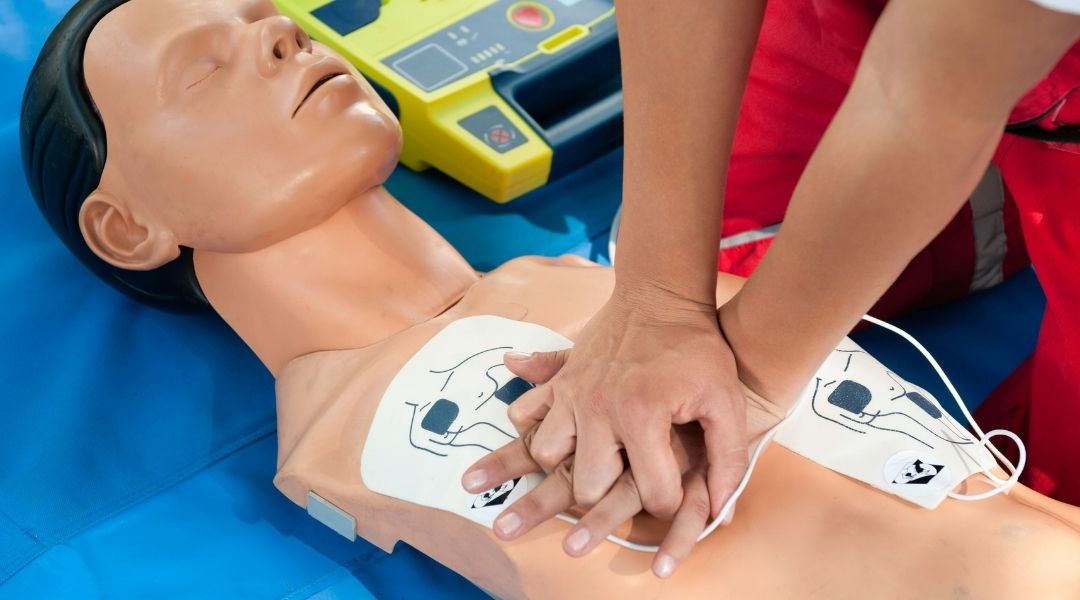
Every second counts when a person suffers a cardiac arrest. The difference between life and death often depends on whether someone nearby can perform cardiopulmonary resuscitation (CPR) effectively. While theoretical knowledge is important, true mastery comes only through hands-on practice. That’s where CPR manikins play a life-saving role.
The Gap Between Theory and Reality
Many healthcare and nursing students learn CPR in classrooms, but when faced with a real emergency, hesitation and lack of confidence can delay action. Reading about chest compressions or watching a video cannot prepare someone to:
Apply the correct pressure
Maintain the right compression depth (5–6 cm)
Keep the recommended rate (100–120 compressions per minute)
Deliver rescue breaths effectively
CPR manikins bridge this gap by giving students a safe, realistic environment to practice until the skill becomes second nature.
How CPR Manikins Improve Outcomes
Realistic Feedback
Many modern manikins provide feedback on compression depth, chest recoil, and breathing.
Students instantly know whether they’re doing it right.
Muscle Memory Development
Repeated practice trains the body to react correctly in emergencies.
When a crisis hits, students act without hesitation.
Error Reduction
Practicing on manikins reduces the risk of mistakes when treating real patients.
Wrong hand placement or shallow compressions can cost lives—manikins help correct this early.
Confidence Boost
The more students practice, the more confident they feel performing CPR in front of peers, teachers, or in real scenarios.
Backed by Global Guidelines
The American Heart Association (AHA) and World Health Organization (WHO) strongly recommend simulation-based CPR training. Studies have shown that people trained with manikins are 2–3 times more likely to perform CPR effectively during real emergencies compared to those trained only with theory.
Beyond the Classroom
Hospitals use CPR manikins to train medical staff in refresher courses.
NGOs and first-aid organizations conduct CPR awareness workshops for communities using portable manikins.
Skill labs in nursing and medical colleges make CPR practice compulsory for all students.
The Young Brothers Advantage
Since 1980, Young Brothers has been manufacturing and supplying CPR manikins designed for realistic training. Our range includes:
Adult CPR Manikins for full-body practice
Pediatric and Infant CPR Models for specialized care
Advanced Manikins with Feedback Systems for professional training
By equipping classrooms and labs with reliable models, we empower educators and students to save more lives.
Conclusion
Hands-on CPR training with manikins transforms knowledge into action. It equips students with the confidence, accuracy, and speed needed to respond in emergencies. At Young Brothers, we believe every healthcare student deserves access to quality training tools—because the skills they learn today can save lives tomorrow.