Introduction
Medical colleges play a critical role in shaping the future of healthcare. While theoretical knowledge builds the foundation, practical training ensures competence and confidence. To achieve this, institutions must equip their skill labs with the right models and manikins. Here are the top 5 essential training models every medical college should invest in.
CPR Training Manikins
Why important: CPR is a life-saving skill that every healthcare student must master.
Features to look for: Realistic chest rise, compression depth feedback, airway management.
Impact: Builds confidence to act quickly in emergencies and follow AHA guidelines.
Nursing Procedure Trainers
Why important: Nurses perform a wide range of procedures daily.
Examples: IV training arms, catheterization models, tracheostomy care trainers, injection pads.
Impact: Students can safely learn invasive procedures without the risk of harming real patients.
Obstetrics & Gynecology Simulators
Why important: Maternal and child healthcare is a cornerstone of medical training.
Examples: Antenatal palpation models, delivery simulators, postpartum hemorrhage trainers.
Impact: Prepares students for safe maternity care and emergency scenarios.
Pediatric & Neonatal Care Models
Why important: Treating infants and children requires specialized skills.
Examples: Neonatal resuscitation trainers, infant airway models, pediatric CPR manikins.
Impact: Builds sensitivity, confidence, and precision in handling young patients.
Human Anatomical Models
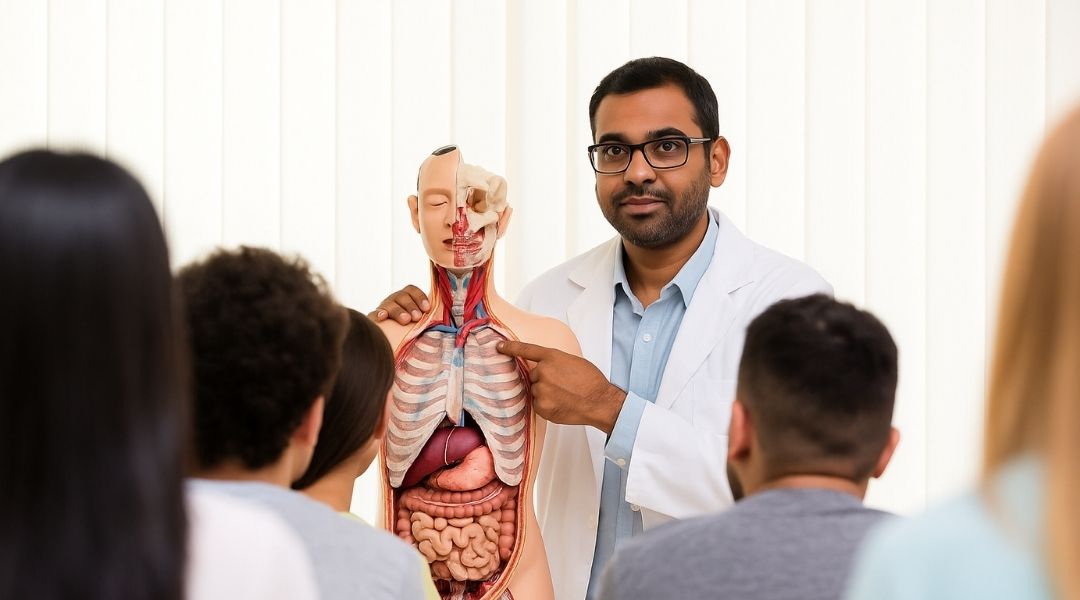
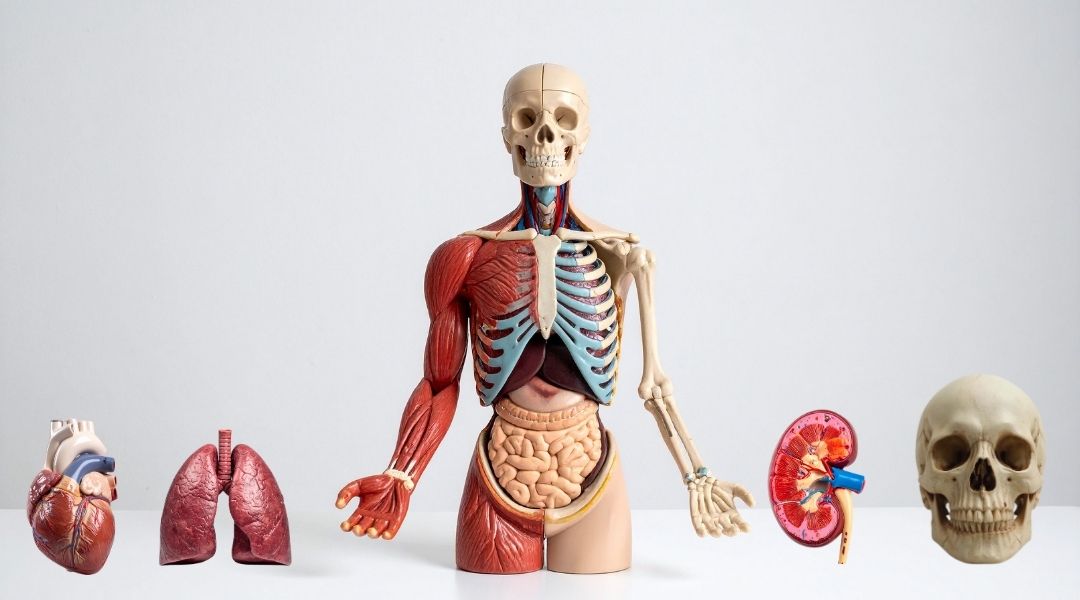
Why important: Anatomy is the foundation of medicine.
Examples: Skeletons, torso models, organ systems (heart, brain, kidney, digestive system).
Impact: Helps students visualize and understand the structure-function relationship better than textbooks alone.
Conclusion
Every medical college should prioritize CPR manikins, nursing trainers, obstetrics simulators, pediatric models, and anatomical models when building skill labs. These tools don’t just enhance learning—they create confident, capable graduates ready to serve society.
At Young Brothers, we have been manufacturing and supplying these essential training models since 1980, helping institutions worldwide strengthen medical education.