Introduction
Medical and nursing education is becoming increasingly standardized worldwide. From CPR training to clinical simulations, institutions must ensure their training models and manikins meet global standards. Using poor-quality or outdated equipment can reduce the effectiveness of learning and compromise student readiness for real-world healthcare.
Why Standards Matter
Consistency in Learning: Ensures that students across different institutions receive the same level of practical training.
Global Recognition: Graduates trained with compliant models are better prepared for international opportunities.
Patient Safety: Realistic models reduce errors when students transition to clinical practice.
Institutional Credibility: Accreditation bodies and councils look for compliance with international guidelines.
Key Global Guidelines
American Heart Association (AHA) – CPR & First Aid: Mandates realistic manikins for chest compression feedback, correct depth (5–6 cm), and compression rate (100–120/min).
World Health Organization (WHO) – Skill Labs: Recommends simulation-based learning environments for nurses and healthcare professionals.
Indian Nursing Council (INC): Requires accredited nursing colleges to set up skill labs with approved models for core procedures.
ISO & CE Certifications: Many global buyers look for ISO/CE marks to ensure product quality and safety.
What Institutions Should Look for in Training Models
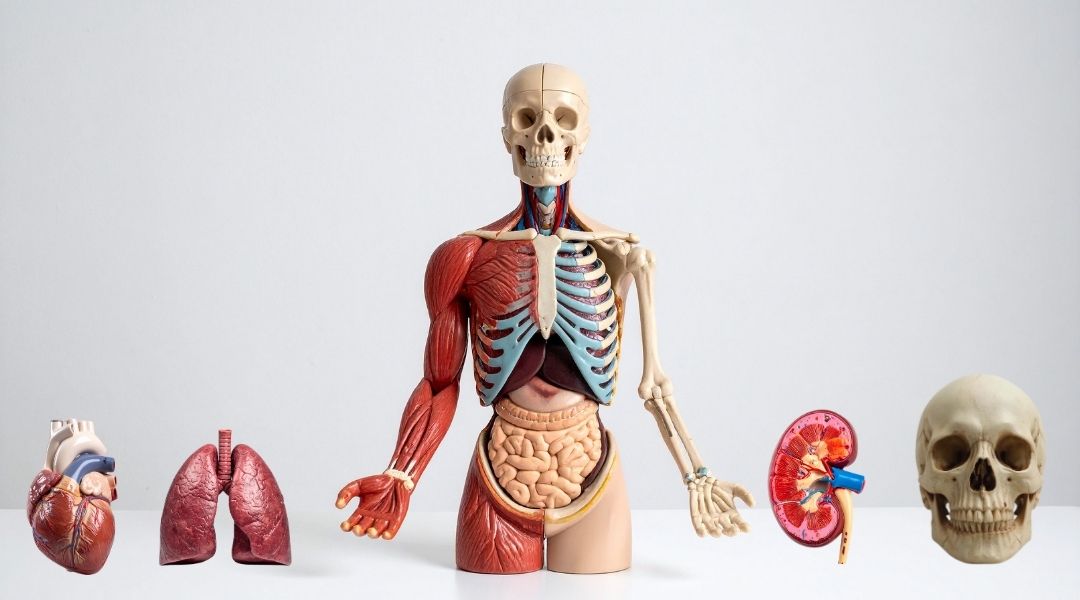
Accuracy – Models should replicate human anatomy precisely.
Durability – Must withstand repeated classroom use.
Feedback Features – Advanced manikins should guide compression depth, airway management, or injection accuracy.
Compliance – Should align with AHA, WHO, and local council guidelines.
Supplier Credibility – Work with manufacturers/importers with decades of proven expertise.
The Young Brothers Commitment
At Young Brothers, we ensure our CPR manikins, nursing trainers, gynecology and pediatric models, and anatomical aids meet both international standards and local curriculum needs. Trusted by hundreds of institutions since 1980, we deliver products that combine accuracy, durability, and affordability—backed by global benchmarks.
Conclusion
Investing in globally compliant medical training models isn’t just about meeting requirements—it’s about preparing students for safe, confident, and effective healthcare practice worldwide. Institutions that prioritize global standards build a reputation for excellence and create graduates who can thrive anywhere.