Introduction
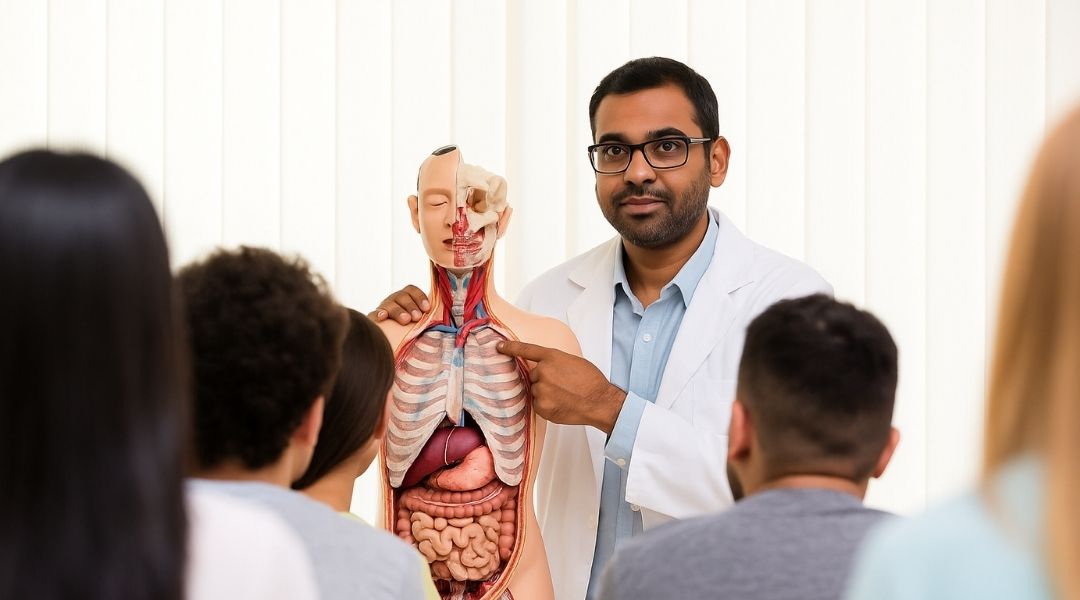
Medical education has always been complex. Students are expected to absorb vast amounts of theory, memorize anatomy, and master countless procedures. But visual learning tools—from simple charts to advanced manikins—have transformed the way students learn, making education more interactive, engaging, and effective.
Step 1: Charts – The First Visual Aid
Why important: Charts are the foundation of visual learning, simplifying complicated theories.
Examples: Anatomy charts, nursing care charts, first aid posters.
Impact: They reinforce memory by providing clear diagrams students can recall during practice or exams.
Step 2: Anatomical Models – From Paper to 3D
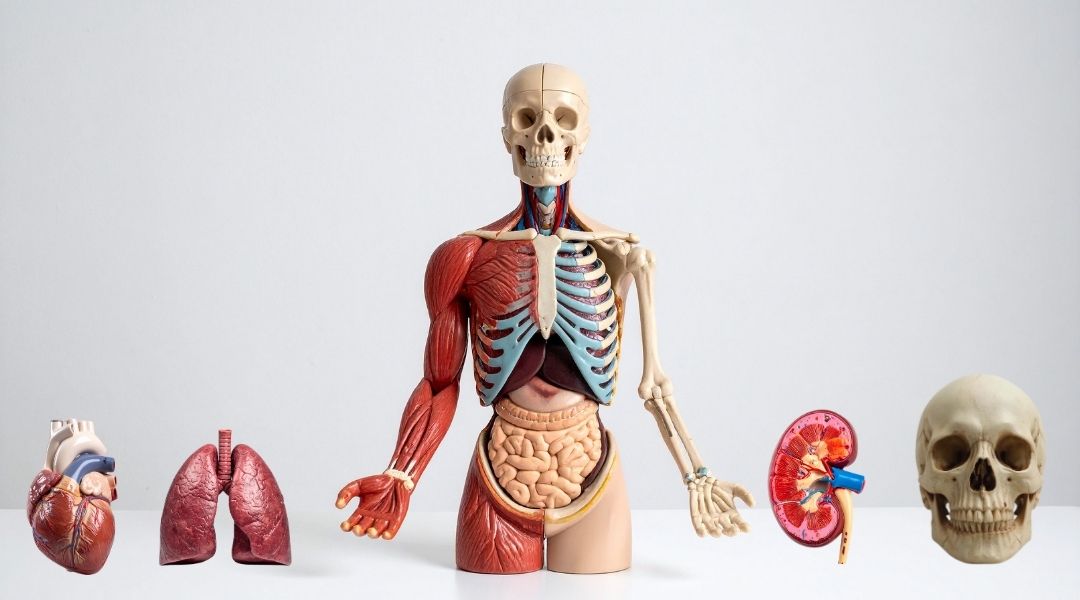
Why important: Moving from 2D images to 3D models gives students a true sense of depth and proportion.
Examples: Human skeletons, torso models, organ models.
Impact: Students can touch, observe, and explore structures, leading to stronger retention and understanding.
Step 3: Manikins – Practice Beyond Observation
Why important: Manikins bridge the gap between theory and real-world application.
Examples: CPR manikins, nursing procedure trainers, obstetric and neonatal simulators.
Impact: Students practice critical procedures repeatedly in a safe environment, building muscle memory and confidence.
The Transformation in Learning Outcomes
Better Engagement: Students learn actively, not passively.
Higher Retention: Visual and hands-on experiences make information stick longer.
Safer Training: Mistakes happen in the lab, not with real patients.
Confidence Boost: Students transition from hesitant learners to skilled practitioners.
The Young Brothers Contribution
At Young Brothers, we supply a full range of teaching aids:
Charts to simplify theory.
Anatomical Models to visualize structures.
Manikins to practice life-saving skills.
Since 1980, we’ve helped institutions modernize classrooms and skill labs, ensuring students benefit from the complete visual learning journey.
Conclusion
Medical education is most effective when students can see, touch, and practice what they learn. By moving from charts to models to manikins, institutions create a comprehensive learning environment that prepares students for real-world healthcare.