Introduction
The role of a nurse extends far beyond textbooks. To prepare students for real-world healthcare challenges, nursing colleges must invest in skill labs—safe, practice-based environments where students can learn, experiment, and master essential clinical procedures.
Why Nursing Skill Labs Matter
Bridging Theory and Practice: Students move from classroom lectures to hands-on practice.
Safe Learning Space: Mistakes made in labs are learning opportunities, not risks to patients.
Confidence Building: Repeated practice builds skill and confidence before entering hospital wards.
Compliance: Nursing Councils and accreditation bodies now mandate skill labs as part of modern curricula.
Essential Models and Tools for a Skill Lab
CPR & First Aid Manikins: Train students to perform chest compressions, rescue breathing, and first aid procedures.
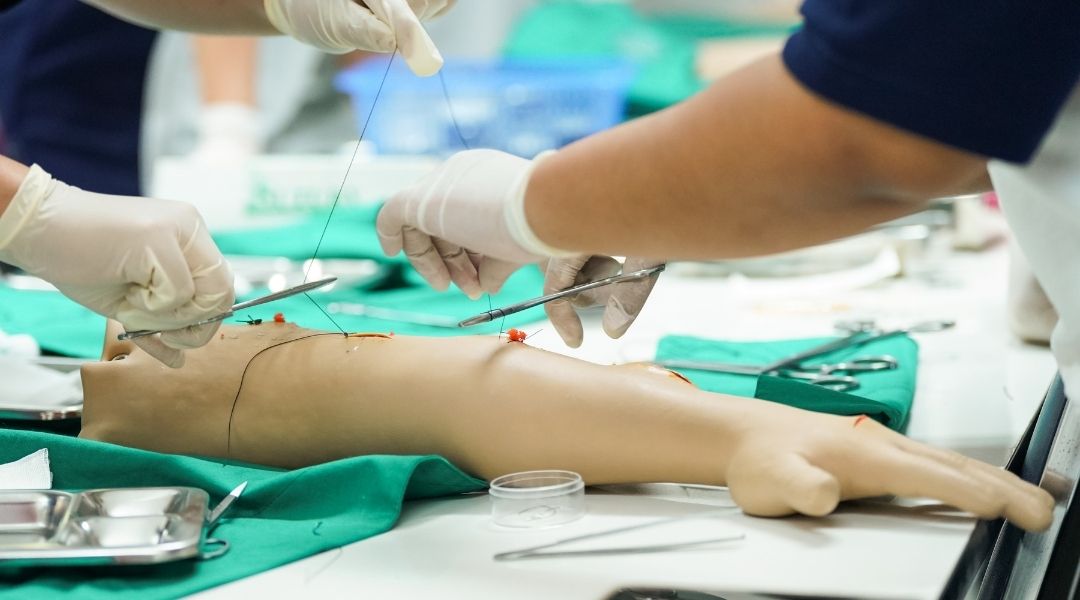
Nursing Procedure Models: IV training arms, catheterization models, tracheostomy care, injection models.
Gynecology & Obstetrics Trainers: Delivery simulators, antenatal palpation models, postpartum hemorrhage kits.
Pediatric & Neonatal Trainers: Infant CPR models, neonatal airway trainers, pediatric care models.
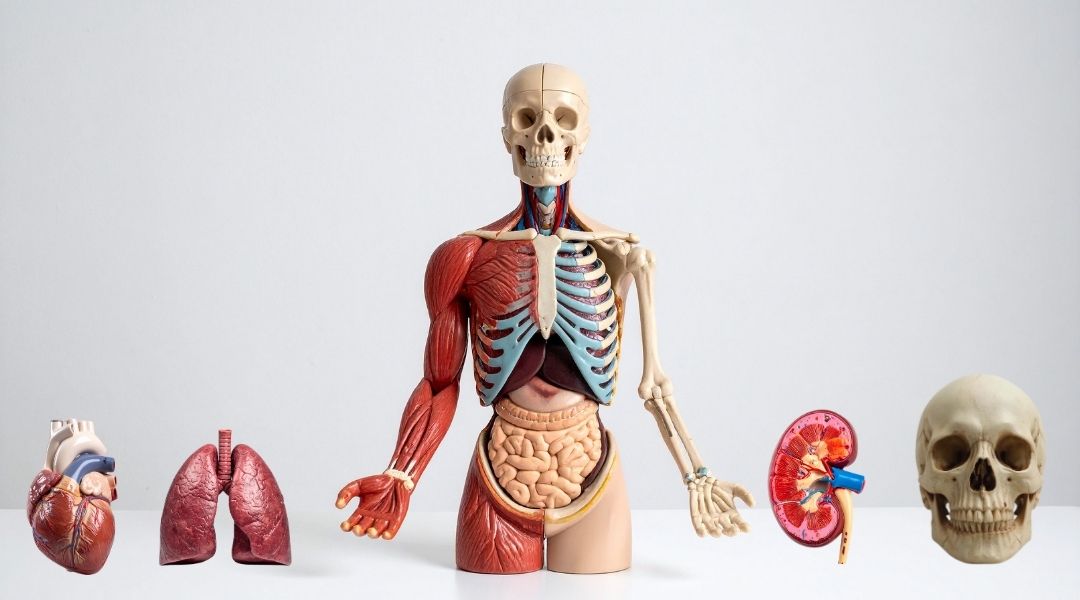
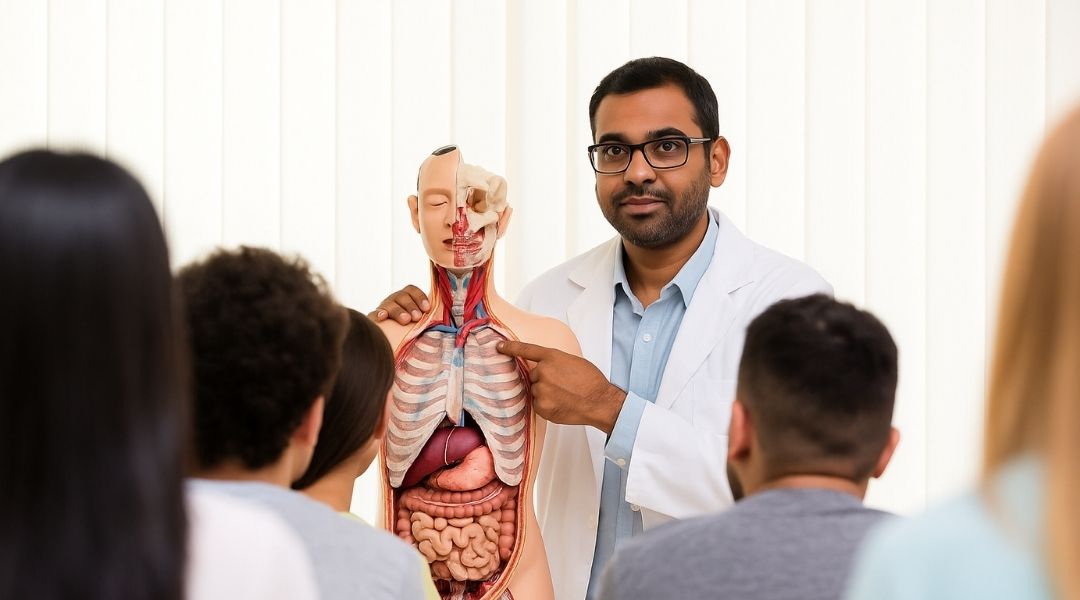
Human Anatomical Models: Skeletons, organ models, and system-based anatomy tools for visual learning.
Medical Charts & Posters: Reinforce theory through clear, visual diagrams in classrooms and labs.
Benefits of a Well-Equipped Skill Lab
Reduces errors in real hospital environments.
Improves exam performance and practical assessment outcomes.
Standardizes learning across all students.
Prepares graduates to deliver safe, confident, and professional patient care.
The Young Brothers Advantage
Since 1980, Young Brothers has been a trusted partner for medical and nursing education. With our wide range of CPR manikins, nursing models, gynecology trainers, pediatric simulators, anatomical models, and charts, we help institutions build modern, fully functional skill labs aligned with global standards.
Conclusion
A modern nursing skill lab is no longer optional—it is essential. By equipping students with realistic training models, institutions prepare the next generation of nurses to serve with confidence and competence.